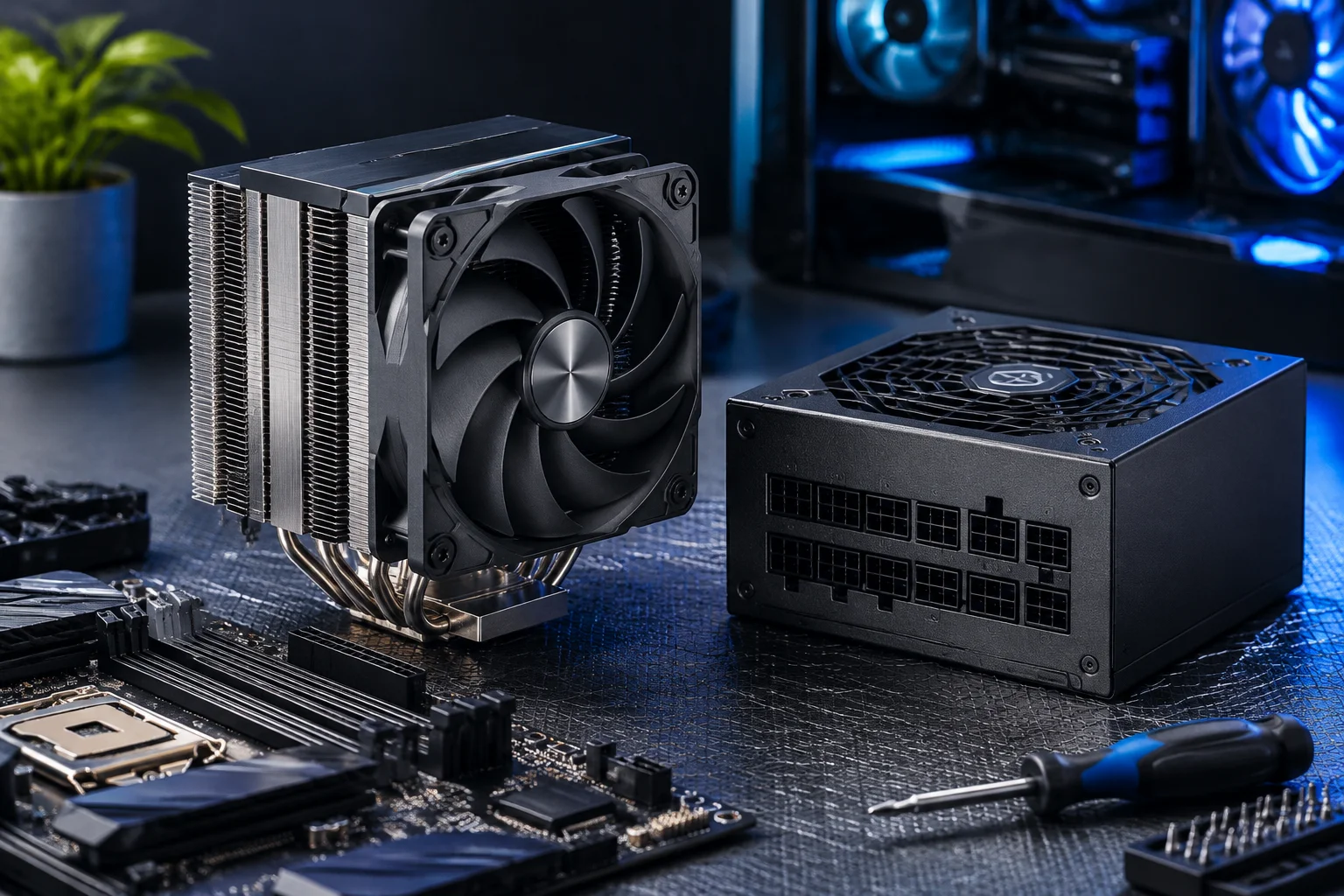
01. The Anatomy of 2026's Hardware Deficit
Enthusiasts attempting to configure high-performance gaming rigs face a mounting challenge as component pricing spikes across graphic processors, DDR5 memory, and premium power delivery units.
The semiconductor pipeline has shifted dramatically toward enterprise compute nodes, starving consumer tier production lines of wafer allocations. Fabricators are prioritizing high-margin accelerator silicon, leaving graphics card vendors with tight quotas for mainstream architectures. At the same time, regional logistics tariffs and freight surcharges compound the baseline bills of materials.
For PC gaming enthusiasts and workshop assemblers, these supply bottlenecks manifest as spot price jumps in retail channels. Budget and midrange builders feel the immediate squeeze, where entry-level graphics boards frequently sell at twenty to thirty percent over their suggested retail tiers.
Foundries across East Asia operate near total capacity to fulfill hyper-scaler contracts for machine learning accelerators and enterprise server racks. Consumer graphics dies and high-density memory ICs share identical advanced fabrication nodes, causing suppliers to throttle gaming hardware yields in favor of high-yield data center contracts.
Consequently, board partners encounter multi-week backlogs for GDDR7 and specialized power MOSFETs. These shortfalls cascade into elevated assembly overheads, with distributors passing warehouse holding costs directly into retail MSRP.
Beyond silicon dies, passive cooling infrastructure and transformer coils face intense raw material pressures. Refined copper spot rates have reached multi-season highs, inflating heatsink and heatpipe fabrication expenses for premium vapor chamber coolers.
Power supply manufacturers similarly encounter price hikes on high-grade Japanese capacitors and heavy-gauge copper wiring required for ATX 3.1 compliance. What was once a predictable eighty-dollar peripheral now demands a substantial premium on the assembly line.
System integrators advise gamers to prioritize phased upgrades rather than total platform overhauls during peak inflationary spikes. Upgrading chassis airflow, storage arrays, or peripheral displays yields immediate tactile improvements without paying the silicon scarcity premium.
Monitoring certified distributor restocks and considering mature, power-efficient last-generation platforms also provides solid frame-per-dollar value while the manufacturing sector stabilizes capacity expansion.
Track Real-Time Hardware Valuations
Receive weekly price index updates, component tariff trackers, and restocking alerts directly to your inbox.
When hyper-scalers consume advanced wafer output in advance contracts, consumer gaming components inevitably absorb the residual supply shock and distribution overhead.


Discussion & Editorial Review
Verified CommunityAlex Gamer
ReaderSarah Tech
Leave Your Editorial Reaction